

Sleep is essential for recovery, mood, energy, and overall health. Yet many of us struggle to get consistent, restorative rest. Red light therapy offers a natural, non-invasive way to support healthy sleep patterns and enhance nighttime recovery.
What is Red Light Therapy?
Red light therapy uses long-wavelength visible red light and near-infrared light (typically between 630–850nm), to gently penetrate the skin and stimulate cellular activity. Unlike blue or bright white light, red light does not suppress melatonin, making it safe for evening use.
Key benefits of red light therapy include:
- Stimulates cellular energy production to support tissue repair and recovery
- Reduces inflammation and oxidative stress
- Improves circulation and blood flow
- Promotes relaxation and physiological calm, which primes the body for sleep
Studies in athletes and controlled research show that red light can improve sleep quality, support melatonin levels, and help the body maintain consistent circadian rhythms.
How Red Light Supports Sleep
Red light therapy works in several ways to support both falling asleep and waking refreshed.
1. Helps maintain restful sleep patterns
Red light provides illumination without strongly suppressing melatonin, the hormone that regulates the body’s sleep-wake cycle. Because it contains longer wavelengths and minimal blue light, it is less likely to disrupt the body’s nighttime biology, helping maintain restful sleep patterns and supporting deeper stages of sleep.
2. Supports restorative rest
Red and near-infrared wavelengths have been studied for their effects on circulation and cellular energy production. By supporting blood flow and mitochondrial activity, red light therapy may assist the body’s natural overnight recovery processes, helping support restorative rest after daily physical and mental stress.
3. Reduces sleep inertia
Studies suggest that exposure to red light during sleep or immediately upon waking may help reduce grogginess and improve morning alertness.
4. Aligns circadian rhythms
Circadian rhythms are guided by environmental signals such as light and temperature. Well-timed red light exposure may help reinforce these cues, supporting a more consistent sleep-wake cycle and reducing disruptions such as social jet lag.
5. Promotes relaxation
Gentle warmth and improved circulation can signal the nervous system to shift toward relaxation, helping the body enter the calm physiological state needed for sleep onset. Research indicates that moderate exposure is optimal, while overly bright or prolonged sessions close to bedtime may increase alertness and reduce sleep quality.
Combining Red Light Therapy with Sauna Sessions
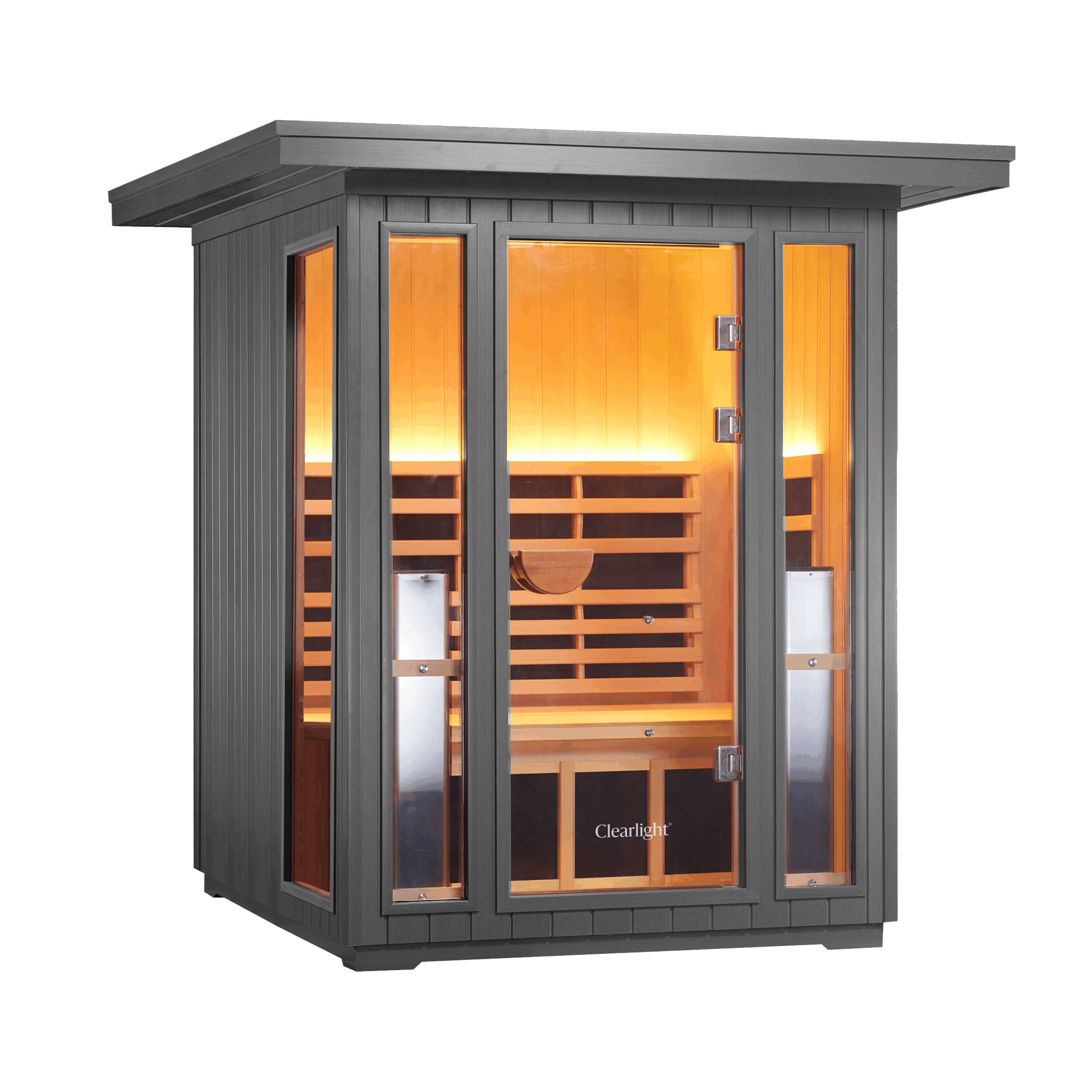
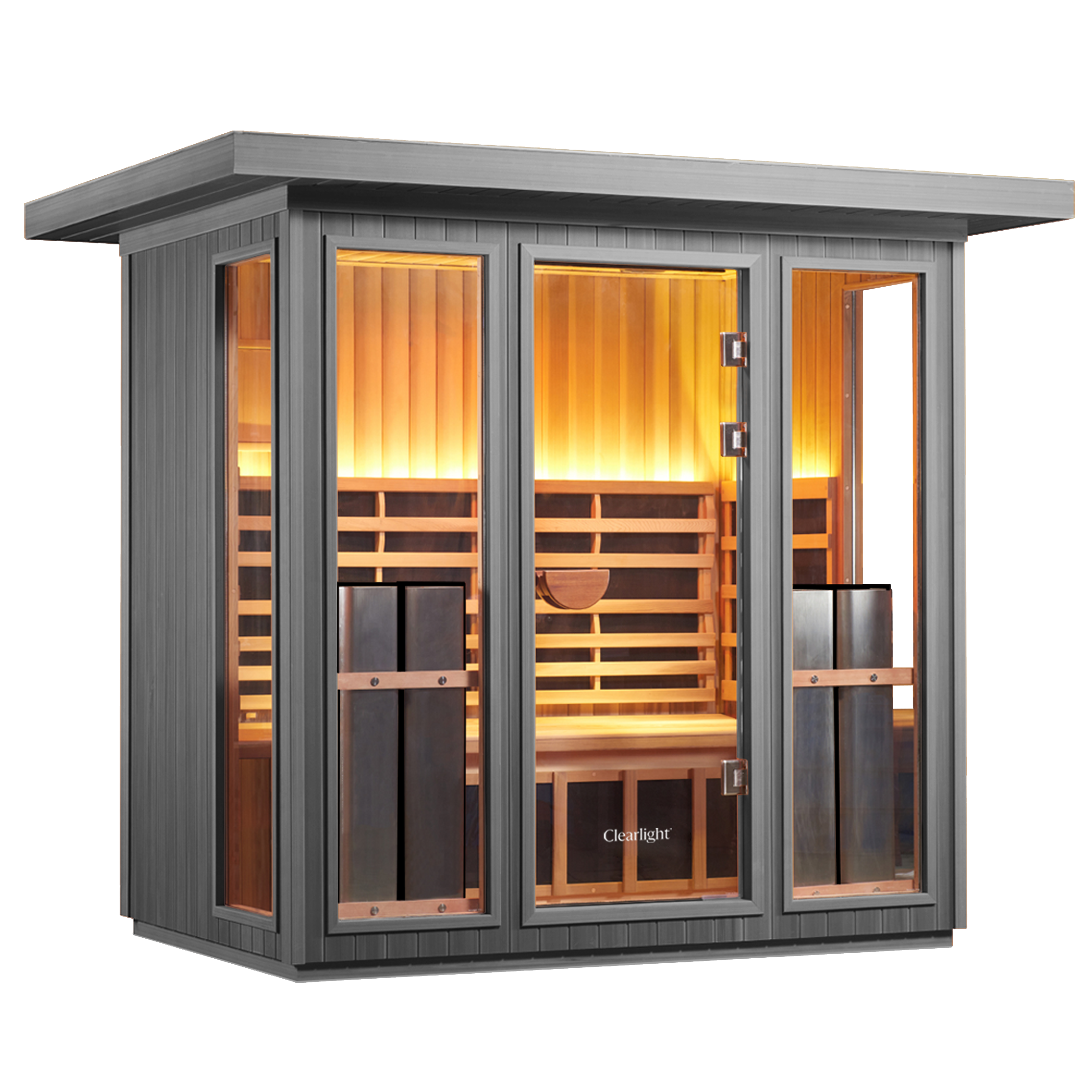
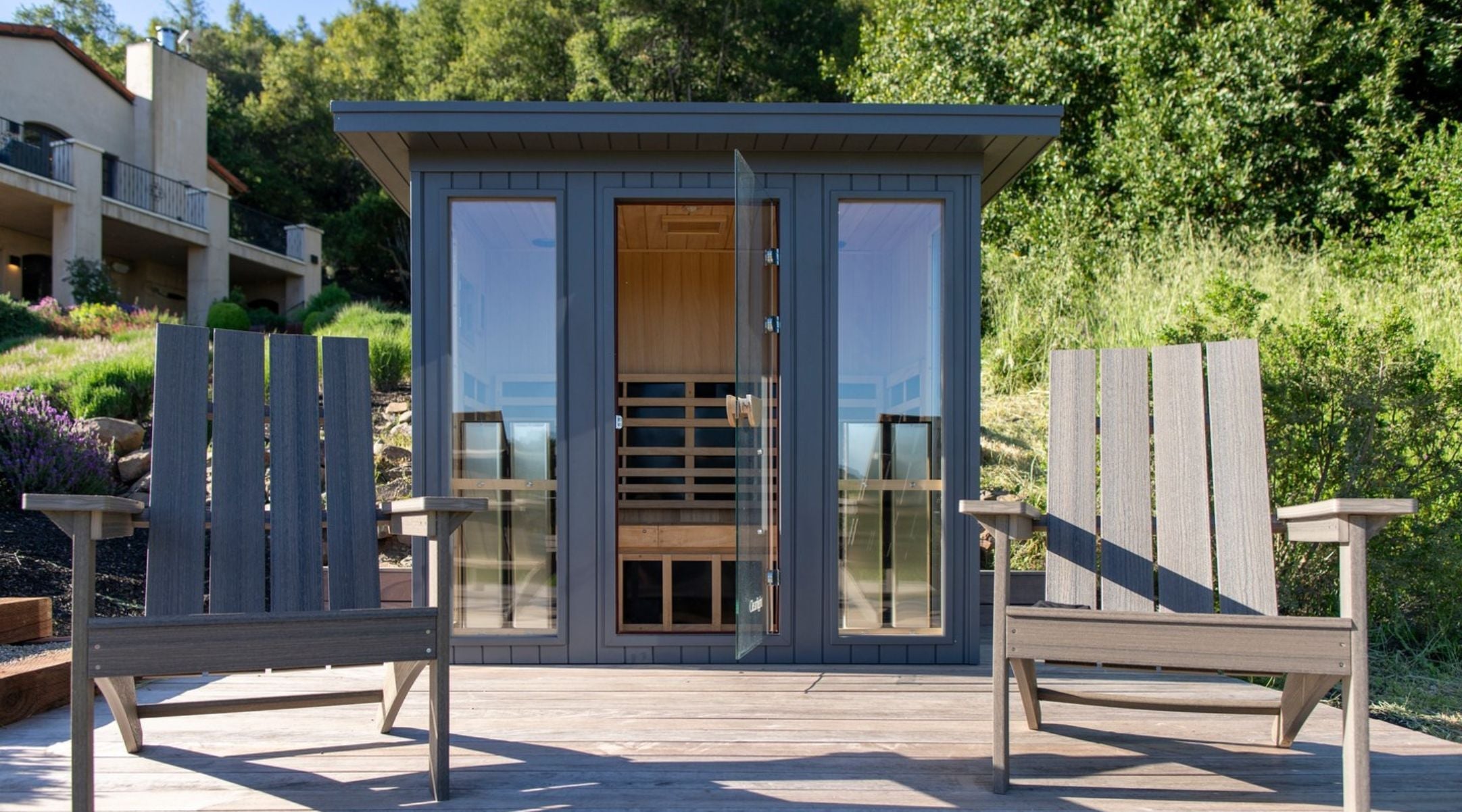
Pairing red light with infrared sauna sessions can amplify the benefits for sleep and recovery.
Infrared sauna: 20 to 30 minutes elevates circulation, relaxes muscles, and promotes overall physiological calm.
Red light exposure afterward: enhances cellular recovery, supports melatonin production, and helps the body prepare for sleep.
This combination can help you fall asleep more easily, stay asleep longer, and wake feeling alert and refreshed.
Best Practices for Red Light Therapy
Timing: Use in the evening or post-sauna to support natural sleep signals
Duration: Short, consistent sessions are more effective than prolonged exposure
Intensity: Moderate levels are ideal. Too bright or intense exposure can be counterproductive
Consistency: Daily or regular use enhances benefits for circadian alignment and sleep quality
The Clearlight® Red Light Therapy Tower
The Clearlight® Red Light Tower is designed to integrate seamlessly into your daily wellness routine. It delivers research-backed red and near-infrared light at the optimal intensity to support sleep, recovery, and overall wellbeing.
 By combining the Red Light Tower with your Clearlight® infrared sauna sessions, you can create a full-spectrum recovery and relaxation routine in the comfort of your own home. Daily use supports not just better sleep, but also enhanced recovery, stress reduction, and long-term physical wellness.