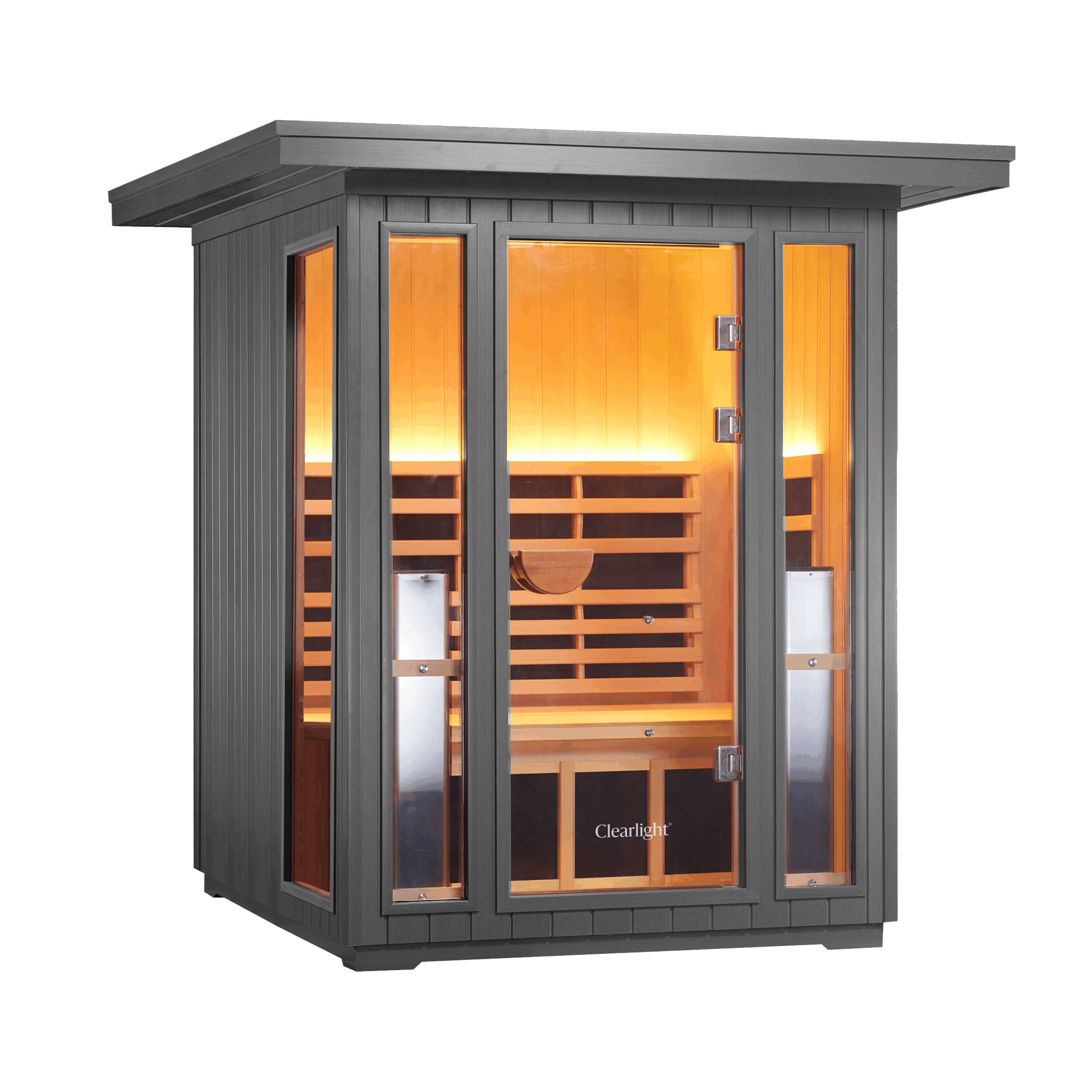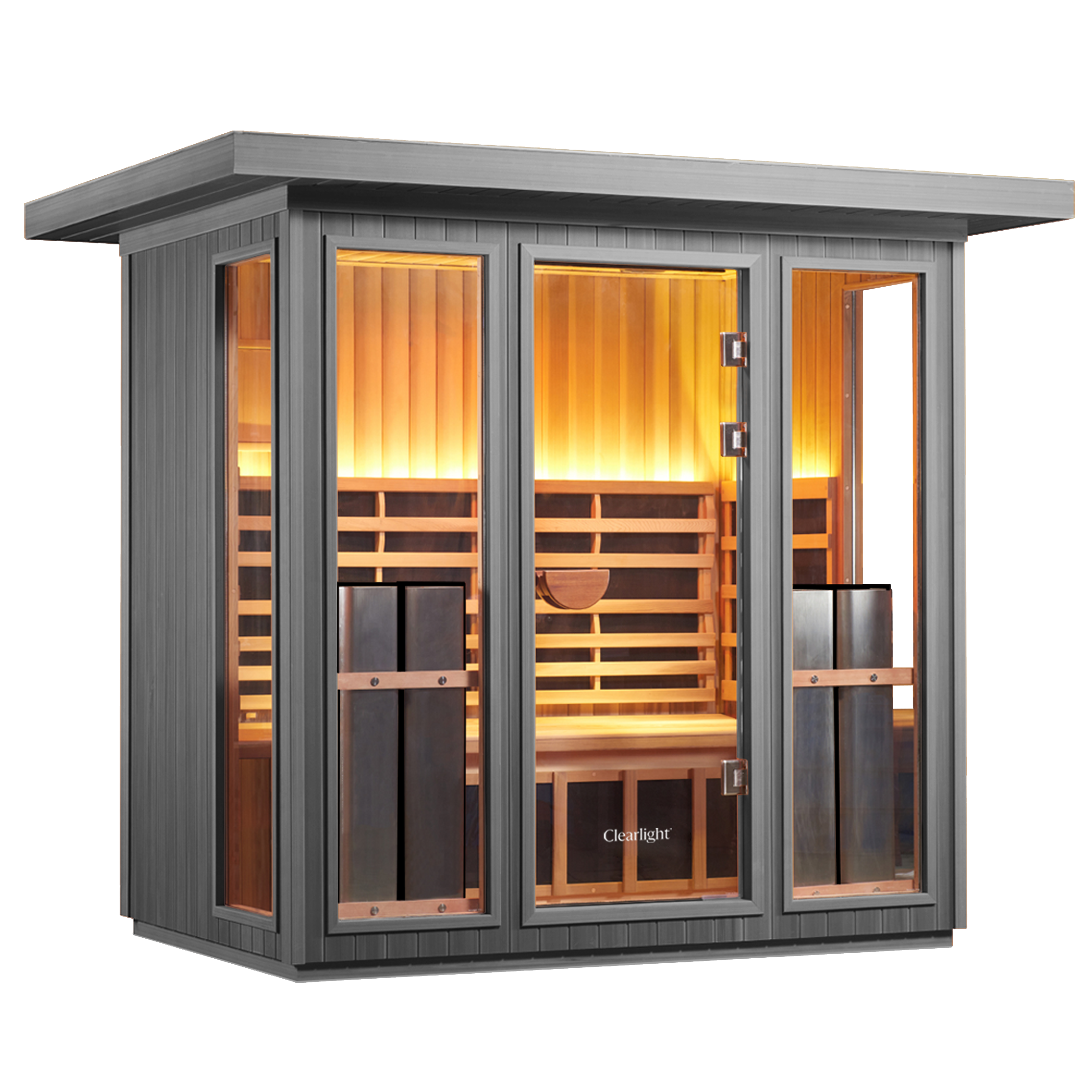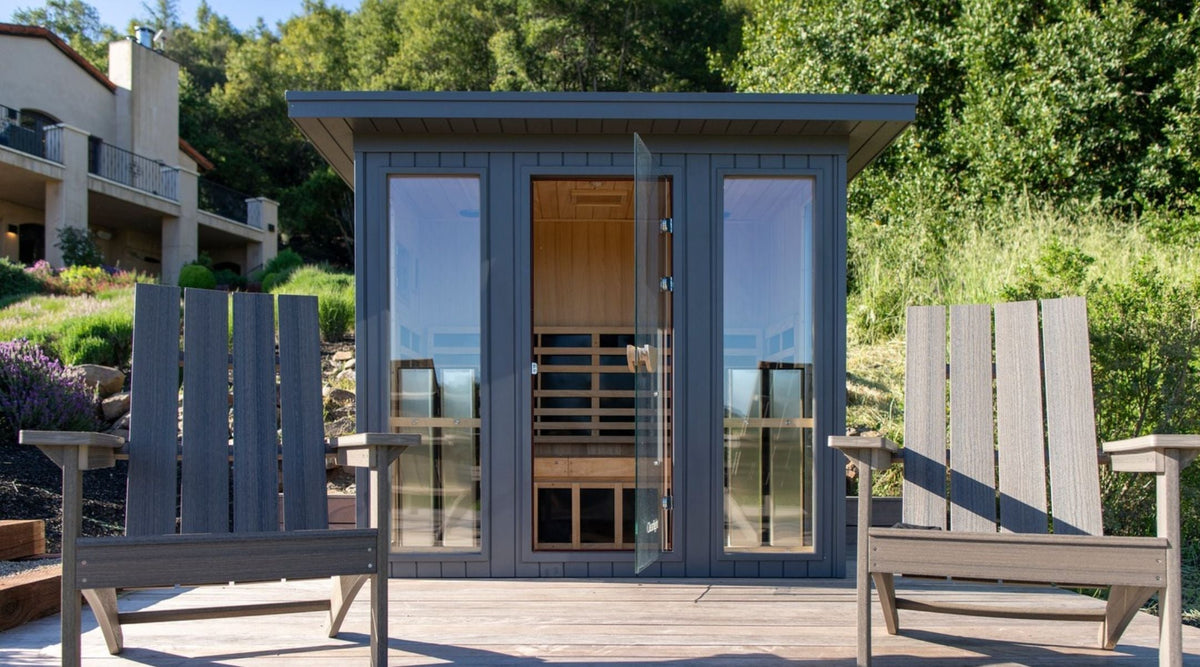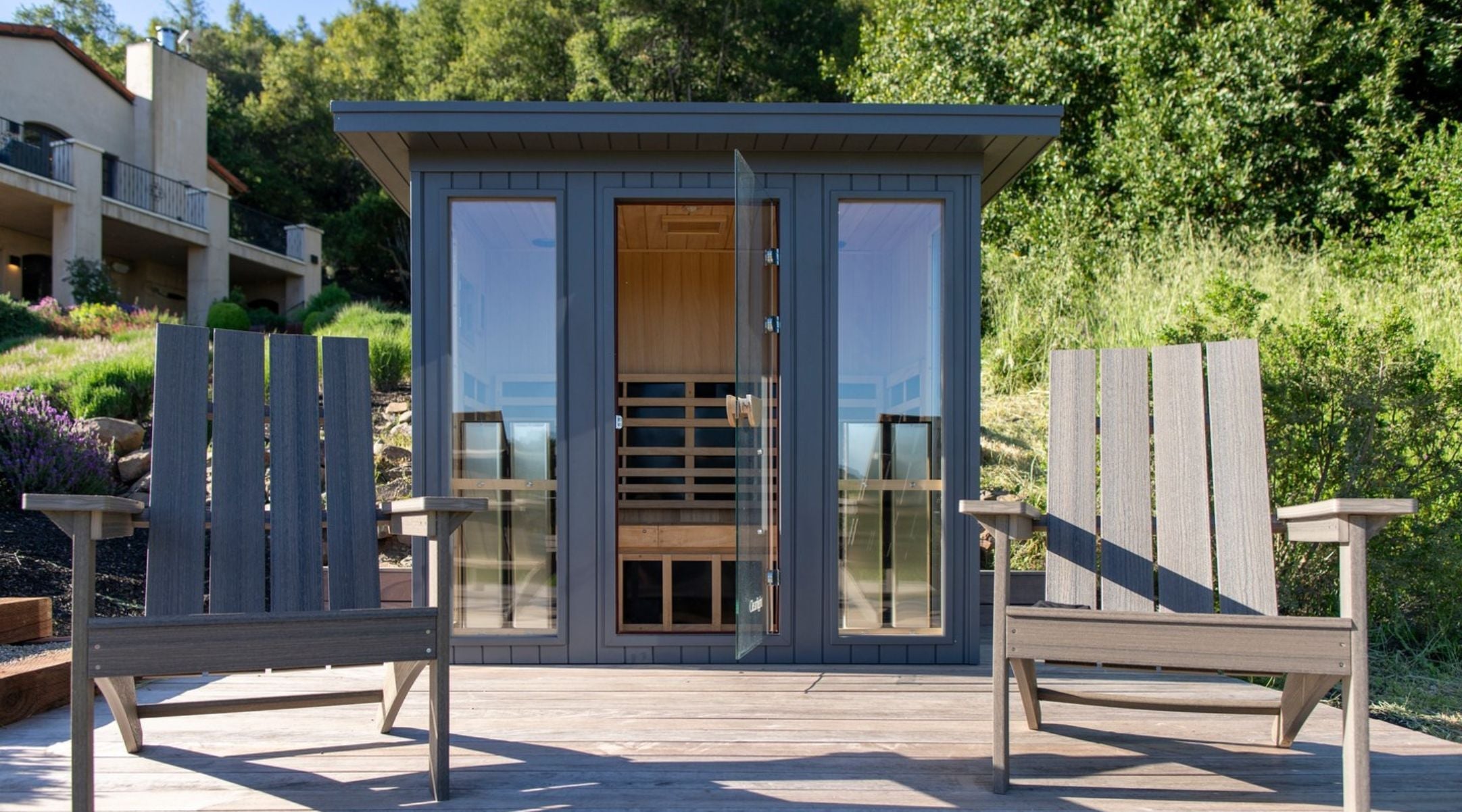


I’ve written extensively about infrared sauna wood in the past. Tons of different sauna wood options exist, including basswood, hemlock, eucalyptus, and others. Today I’ll focus on one specific infrared sauna wood type: cedar wood. Cedar wood can be considered the “Rolls-Royce” of the sauna wood types and I’ll explain why to you today.
Let’s first start with some background information:
Cedar Wood For Sauna: A Background
In this section, I’ll explain more about what cedar wood is and what its qualities are. From a biology standpoint, the name “cedar” is derived from the genus Cedrus (1; 2). A genus is a classification system of different organisms, including ones that have already gone extinct.
Within the Cedrus genus, many different types of cedar plants exist (3; 4; 5). For instance, there’s the Lebanese Cedar (Cedrus libani), a pine tree that - unlike his name - is mostly found in Turkey. Then there’s Melia azedarach also known as white cedar, found in India. And finally there’s the Thuja plicata that I’ll talk about in this blog post - the famous Canadian red cedar.
That cedar has many different names, such as Western red cedar, Pacific redcedar, or just plain “cedar”. That Western red cedar, moreover, is not strictly part of the Cedrus genus, although it’s very often associated with it.
Right now, the Western red cedar is mostly found in the Pacific north of the USA and the Pacific south of Canada. That area roughly consists of the south of Alaska all the way to the north of California.
The Western red cedar has been used for thousands of years, originally in indigenous American populations. The wood has and had many different purposes, ranging from being used as building material for houses, boats, clothing, decorative objects, musical instruments, tools, containers such as bowls, and other goals.
Traditionally, Western red cedar is not only beloved because of its versatility in constructing different things. The cedar also has a very unique profile because of the essential oils contained therein (6; 7; 8; 9). These essential oils are emitted into the air over time long after the cedar tree was originally cut down. As a result, there’s a strong olfactory dimension associated with Western red cedar as well.
So in the same way a new Rolls-Royce has a very distinct car smell, you’ll also be able to enjoy the olfactory experience of Western red cedar over time. For that reason, this cedar is frequently used as an essential oil in natural health and wellness circles.
I’ll get back to that topic later…
What makes the Western red cedar very valuable is that it’s very resistant to the elements and so-called “straight grained” (10; 11). In simple terms, that means the wood fibres are oriented in the same way the tree grows vertically. The straight grain is therefore very structurally integer, making it ideal for saunas. With a straight grain, you also won’t see any patterns in the wood, except mostly straight lines.
The Western red cedar also has few “knots” (12; 13; 14). Knotting originates when branches fall off or are cut, and the main trunk of the wood continues growing. Over time, this means you’ll see circular patterns in the wood. Knots can be compared to scar tissue on human skin in the sense that they leave a lasting impression after the original injury has healed.
Knots have consequences for saunas though. Structurally, the knot itself is very tough but the area around it can be less structurally integer. Generally, the more knots a wood has, the lower its quality is rated.
For infrared saunas that statement is also true, as knots have a higher propensity to give you splinters. For that reason you don’t want sauna benches with lots of knots. Another problem with knotted areas is that they’re more prone to damage. As a result, knots can fall out over time or get really dry.
As Western red cedar has few knots and a straight grain, you’ll immediately understand why it’s so beloved for creating infrared saunas and other premium products like furniture. In the next section, I'll look at cedar wood as a choice for infrared saunas specifically and tell you about all the benefits and downsides: